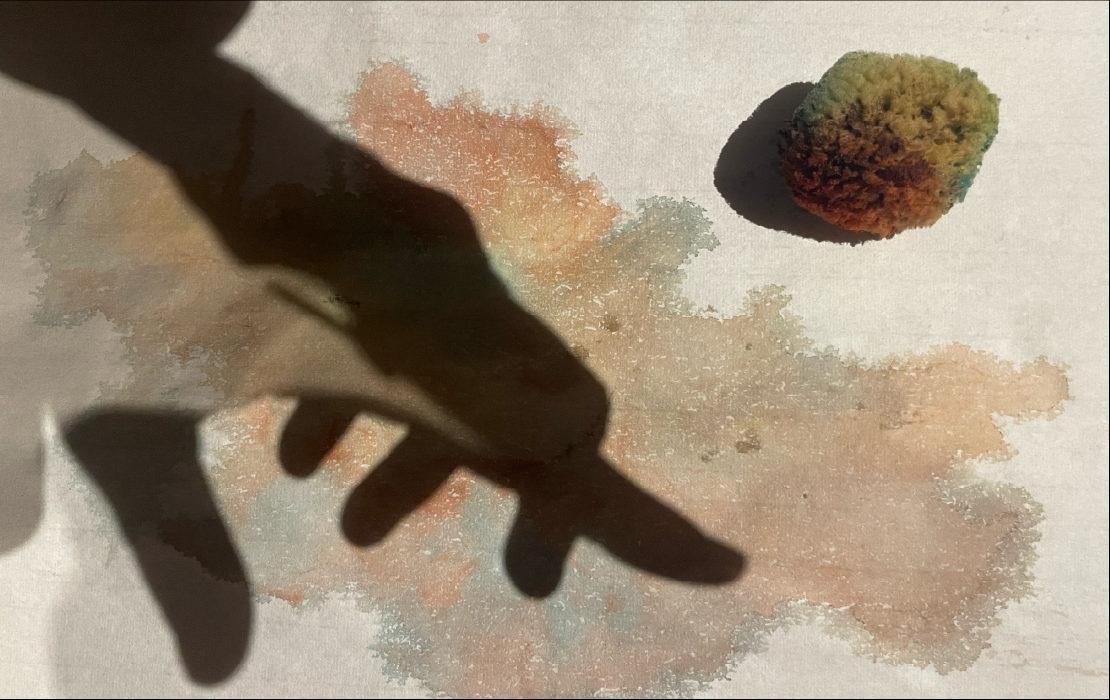
A research-creation project for authorial participation in communities
Embodiment and Multiform/Inclusive Writing* is a participatory research-creation project, grounded in arts-based research, devoted to developing cultures, practices and tools for writing performative action that can enable people with different preferences and abilities to express themselves more fully as authors.
The research, conducted by Wauder Garrambone and Raffaele Rezzonico, unfolds through two parallel workshop programmes involving participants and educators from the Psychiatric Rehabilitation Day Centre / Psychosocial Centre in Garbagnate Milanese and from the Day Centres for People with Disabilities in Cinisello Balsamo and Cusano Milanino.
In the short term, the project is expected to renew the ways in which Mirmica and its partners in the northern Milan area write and design their artistic and cultural activities (performances, videos, podcasts, artistic events), enhancing the opportunities for people with physical, psychological and cognitive differences to express themselves and take part as authors.
More broadly, the project belongs to a line of research that seeks to recognise the embodied and situated nature of dramaturgical and compositional practices, and to create environments that value manifold authorship and distributed agency.
The work in the workshops interweaves somatic, theatrical and performative practices with painting, drawing and the arrangement of space. It builds on experiences of expanded dramaturgy that Raffaele has developed in other contexts, and on Wauder’s twenty years of theatre work with the local groups involved.
At the end of the workshops, storytelling and dissemination activities will share the results and good practices within the association, across local networks and within specialist performing arts networks. The narrative outcomes of the research will be published in Italian and English to share methods, research questions and findings.
* Multiform/inclusive: today many voices criticise the concept of “inclusion”, because it tends to convey the idea of including someone in something that is still regarded as the “norm”, rather than transforming environments and cultures so that everyone can feel part of them.
For this reason, we have chosen to introduce the term “multiform”, which better reflects the variety and diversity of the forms of writing we are seeking, while also keeping the term “inclusive”, since it is widely used by the institutions we work with and understood by many people who are not familiar with this debate.
This is where our reflection stands today: we hope this choice can open the way to further discussion.